Alex@jekedisplay.com
021-62350894
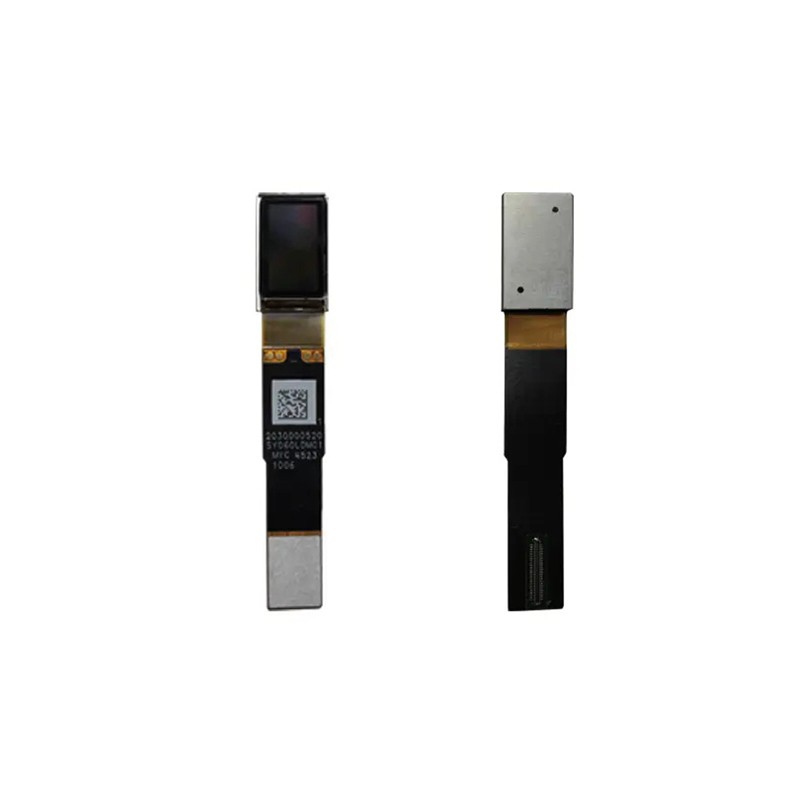
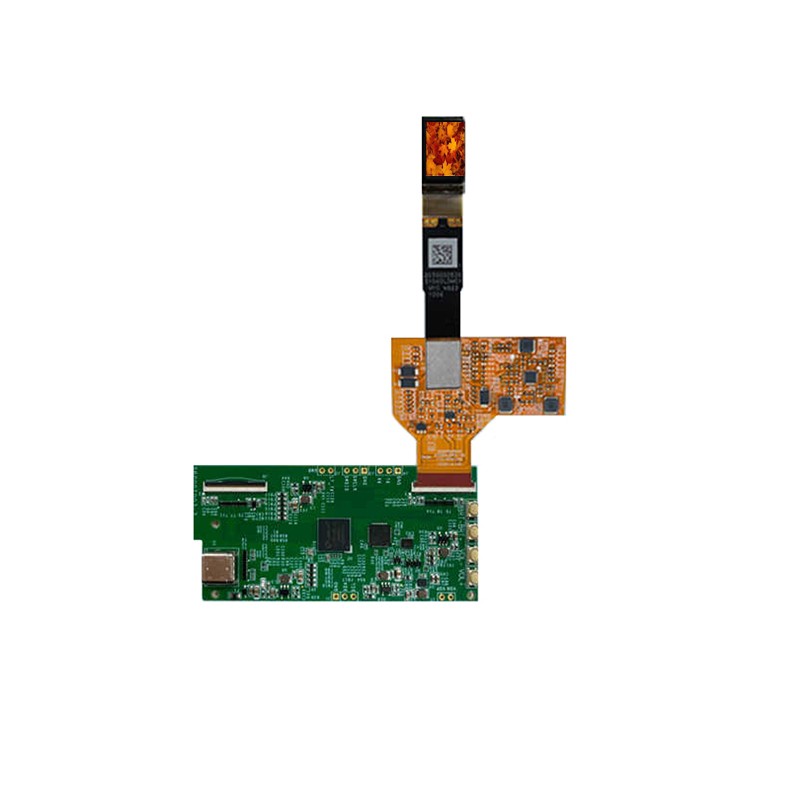
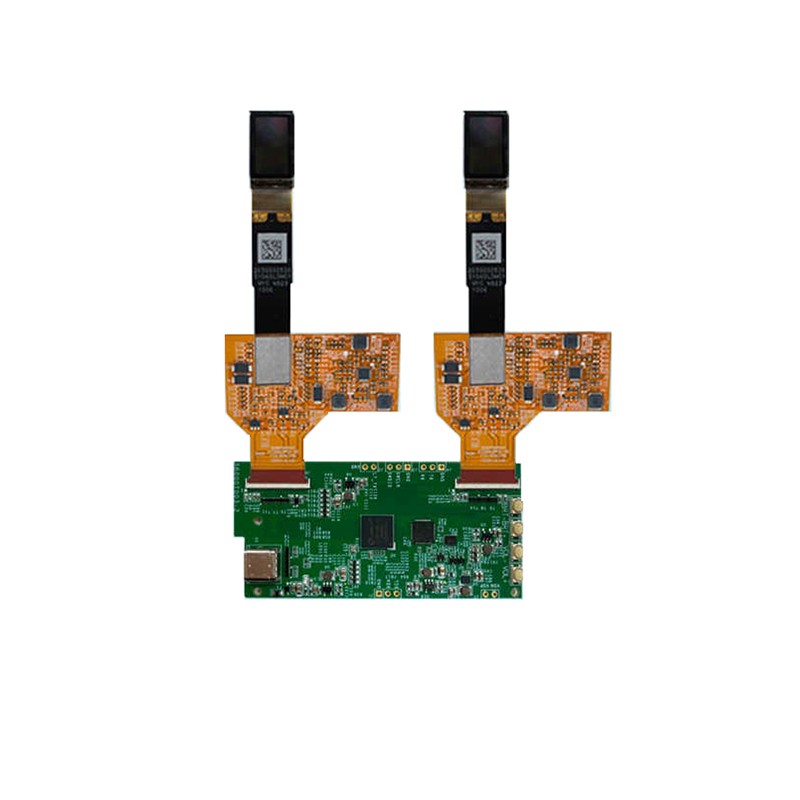
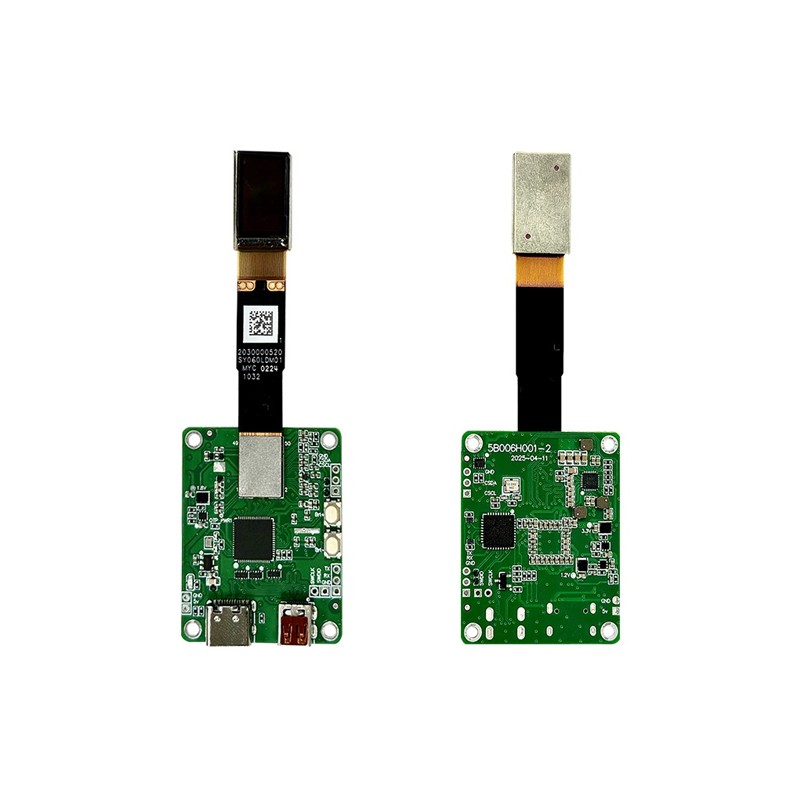
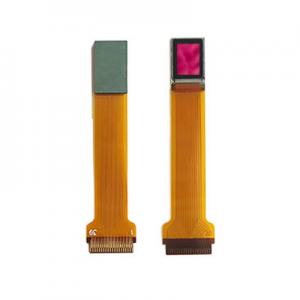
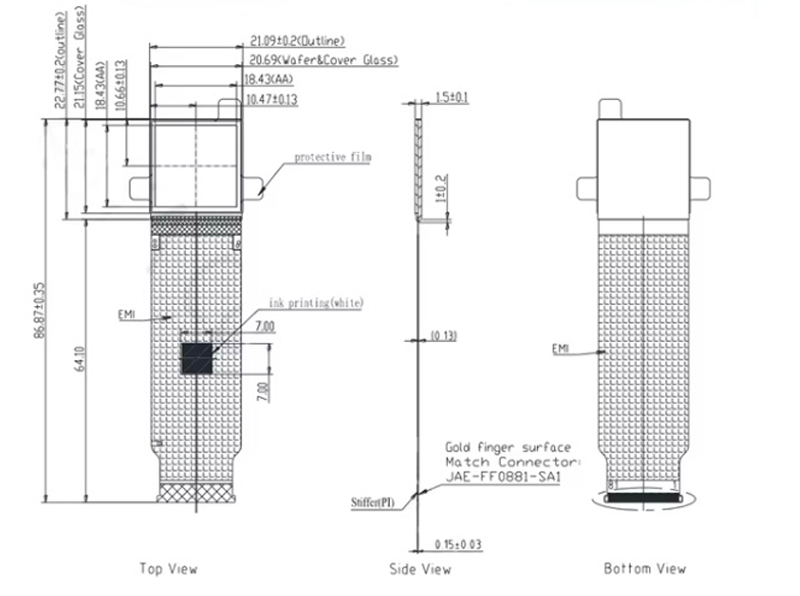
Designed for compact optical and near-eye display integration, this 0.6-inch Micro-OLED display features a 1920×1080 Full HD resolution, a refresh rate of up to 120Hz, and a peak luminance of 6000 nits. Its high pixel density and compact 13.22 × 7.43 mm active area make it suitable for display systems where resolution, brightness, and space efficiency are important design considerations.
Built on silicon-based OLED technology, this OLEDoS display supports 16.7 million colors and a 98% DCI-P3 color gamut, providing detailed image reproduction and a wide color range. With a typical contrast ratio of 200,000:1 in the optical specification, it is designed for applications requiring high image contrast and precise visual presentation.
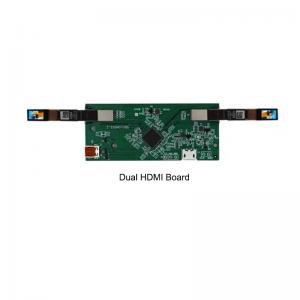
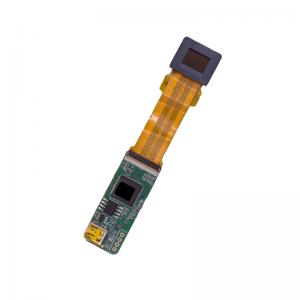
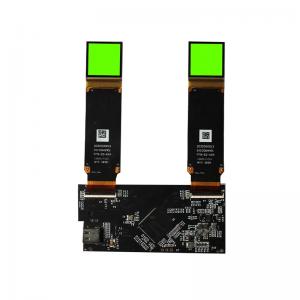
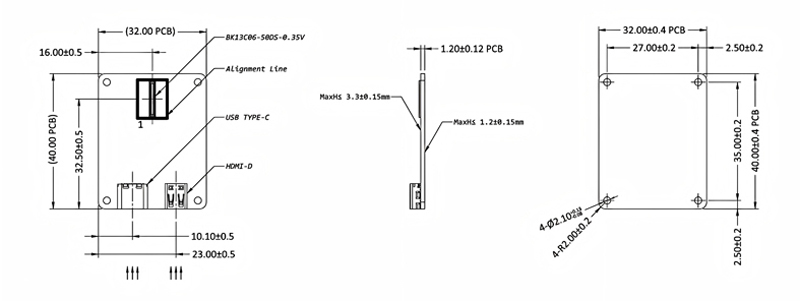
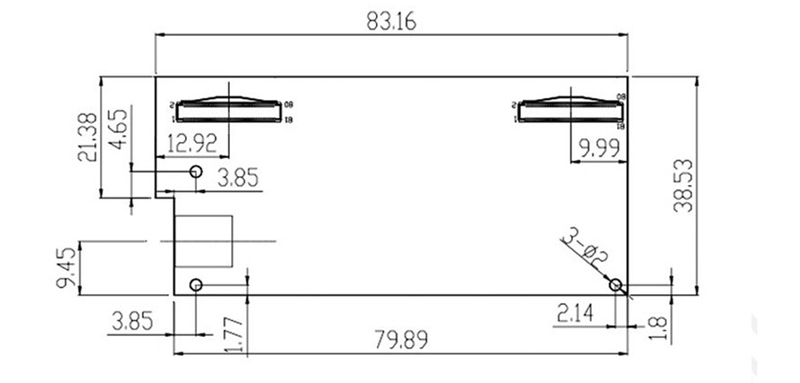
The display supports MIPI and I2C interfaces at the panel level, with MIPI D-PHY four-lane transmission. For different system integration requirements, two driver board configurations are available: a monocular HDMI board and a binocular Type-C board. These options provide different connection approaches for developers working on compact display devices and optical systems.
With its combination of Full HD resolution, high refresh rate, and high brightness, this 0.6-inch Micro-OLED module offers a display solution for AR/VR equipment, wearable display systems, electronic viewfinders, and other compact near-eye applications.
0.6-Inch Micro-OLED Display: Compact OLEDoS display with a 13.22 × 7.43 mm active area, designed for space-constrained optical and near-eye display systems.
Full HD 1920×1080 Resolution: Delivers detailed image output for high-resolution micro display applications.
6000 Nits High Brightness: Provides high luminance for demanding optical display integration.
Up to 120Hz Refresh Rate: Supports smooth visual performance for high-refresh-rate Micro-OLED display applications.
Wide Color Gamut: Supports 16.7 million colors and 98% DCI-P3 color gamut for rich color reproduction.
High Contrast Performance: Typical optical contrast ratio of 200,000:1 for clear image differentiation.
Flexible Driver Board Options: Available with a monocular HDMI driver board or binocular Type-C driver board.
MIPI and I2C Interfaces: Supports MIPI D-PHY four-lane interface and I2C communication at the panel level.
AR Smart Glasses: Suitable for compact near-eye display systems requiring high-resolution Micro-OLED screens and high brightness.
VR Headsets: Designed for integration into virtual reality optical systems where Full HD resolution and high refresh rates are important.
Wearable Display Devices: Its compact 0.6-inch form factor supports space-efficient display integration in wearable electronics.
Electronic Viewfinders (EVF): Can be considered for high-resolution electronic viewfinder designs requiring detailed image presentation.
Near-Eye Display Systems: Suitable for optical modules, head-mounted displays, and other compact visual display applications.
Optical Engineering and R&D: Provides a display platform for developers evaluating OLEDoS technology, high-brightness micro displays, and advanced optical system designs.
Q1: What is the difference between the monocular HDMI and binocular Type-C board options?
The monocular HDMI option is intended for single-eye display configurations, while the binocular Type-C option is designed for dual-eye display systems. The appropriate configuration depends on your optical design and system architecture.
Q2: Can this Micro-OLED display be integrated into a custom AR or VR optical module?
Yes. It can be considered for custom AR/VR optical system development. Integration should take into account the optical design, mechanical dimensions, electrical requirements, and driver board configuration.
Q3: Does the display support custom display system development?
The panel supports MIPI and I2C interfaces. Developers should evaluate the driver board and host-system requirements to determine the appropriate integration solution.
Q4: What information should I provide when requesting a quotation?
Please specify the required board configuration (monocular HDMI or binocular Type-C), intended application, estimated quantity, and any relevant system integration requirements. This helps determine the appropriate configuration for your project.
Q5: Is technical information available for engineering evaluation?
Please contact us with your project requirements to discuss available technical documentation and integration support.
Name: Alex Chiang
Mobile:021-62350894
Tel:021-62350894
Email:Alex@jekedisplay.com
Add:PuDongXinQu district, ShangHai,China